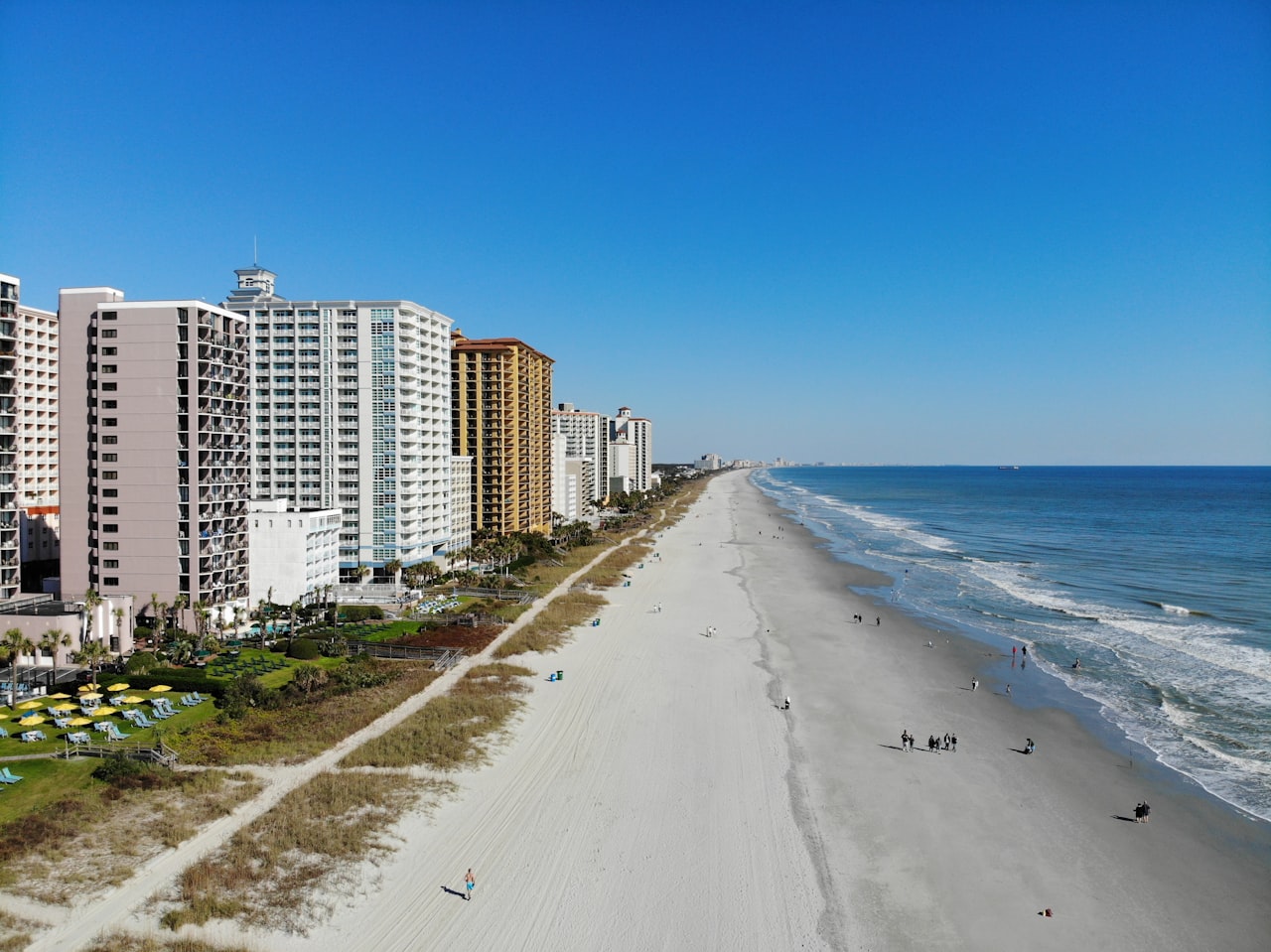

Fort Morgan Road starts where Gulf Shores ends and runs 14 miles west to the tip of a narrow peninsula at the mouth of Mobile Bay. The further you drive, the quieter it gets. The condos thin out, the road narrows, and eventually it is just you, the dunes, and whatever birds are working the shoreline.
Most Gulf Coast visitors never make it out here. That is their loss and your gain.
The Drive Out
Highway 180 west from Gulf Shores is the only way in and out. It is a two-lane road with no stoplights once you leave town, and the pace is set by whoever is towing a boat in front of you. Do not fight it. Roll the windows down, let the salt air in, and accept that you are on peninsula time now.
Along the way, you will pass beach access points, vacation rental communities, and a few small businesses. The character changes every mile. The high-rise world of Gulf Shores fades in the rearview, replaced by low-slung beach houses, scrubby dunes, and stretches of road where the Gulf is visible on your left and the bay on your right.
[Bon Secour National Wildlife Refuge](/directory/bon-secour-national-wildlife-refuge/)
About halfway down the peninsula, the [Bon Secour National Wildlife Refuge](/directory/bon-secour-national-wildlife-refuge/) protects over 7,000 acres of coastal habitat. The name is French for "safe harbor," and the refuge has been doing exactly that since Congress established it in 1980. It shelters one of the largest undeveloped parcels on the Alabama coast.
The Jeff Friend Trail is the most popular hike. It winds through maritime forest and sand dunes before opening onto a pristine, undeveloped beach. The trail is about 1.5 miles each way, easy enough for most hikers. You are walking through habitat for the endangered Alabama beach mouse and nesting grounds for loggerhead and green sea turtles. Roughly 400 bird species have been documented in the refuge, making it a serious destination for birders, especially during spring and fall migration.
The refuge is open sunrise to sunset, seven days a week. There are no facilities on the beach, so bring water, sunscreen, and whatever you need. That is part of the appeal.
Fort Morgan Historic Site
At the very tip of the peninsula sits Fort Morgan, a massive star-shaped masonry fort that has stood guard over Mobile Bay since 1834. It took 15 years to build, starting in 1819, and its isolated location at the end of a narrow spit of land made construction a logistical challenge from the start.
The fort is most famous for the Battle of Mobile Bay on August 5, 1864. That is where Union Admiral David Farragut ordered his fleet to charge through a field of underwater mines. After the naval battle, Fort Morgan endured a two-week siege before surrendering on August 23. The fort saw action in four wars total: the Civil War, the Spanish-American War, World War I, and World War II.
Today the Alabama Historical Commission maintains the site. You can walk the walls, explore the casemates, and visit the museum. Self-guided tours are available seven days a week. The views from the ramparts across Mobile Bay are worth the admission alone. On a clear day, you can see Dauphin Island across the channel.
Fishing Fort Morgan
The peninsula has a well-earned reputation as one of the best inshore fishing spots on the Alabama coast. The convergence of Mobile Bay, the Intracoastal Waterway, and the Gulf of Mexico creates a mix of water that holds redfish, speckled trout, flounder, and sheepshead year-round.
Several charter operations run out of Fort Morgan. Trick'Em Charters focuses on inshore trips targeting redfish and flounder in the bay and Bon Secour River. Ugly Fishing and [Island Time Charters](/directory/island-time-charters/) offer similar experiences with local captains who know these waters cold. Spring and fall are prime for flounder. Redfish stay active nearly all year.
If you do not want a charter, the Fort Morgan public pier and several bay-side access points offer solid bank fishing. Bring shrimp, a Carolina rig, and some patience.
The Beach
Fort Morgan's beaches are the reason people who know about them keep coming back. The sand is the same sugar-white as Gulf Shores, but the crowds are a fraction of what you will find in town. Some stretches feel genuinely remote, especially on weekdays outside of summer.
There are no beach chair rental operations, no snack bars, and no lifeguards. You are on your own, and that is the whole point. Pack a cooler, bring an umbrella, and claim your spot. The swimming is generally calm, with a gradual slope that works well for kids, though you should always watch the current near the pass at the peninsula's tip.
Making a Day of It
A solid Fort Morgan day looks something like this: morning hike at Bon Secour, lunch from whatever you packed in the cooler, afternoon at the beach, and a stop at the fort on the way back. If you are a fisherman, flip the script and hit the water early, then do the fort and beach in the afternoon.
There are no restaurants on the peninsula itself, so plan accordingly. The closest food is back toward Gulf Shores on Highway 180. Some people make the drive out for a half day. The smart ones make it a full one.
Fort Morgan is the quiet side of the Gulf Coast. Fourteen miles of road, a Civil War fort, a wildlife refuge, and some of the best beach on the Alabama coast. No crowds, no production, no agenda. Just the peninsula doing what it has always done.